Design That Advances Osteopathic Medical Training
As the nation faces ongoing shortages of healthcare professionals—especially in rural and underserved regions—the role of Colleges of Osteopathic Medicine (COMs) has become even more critical. With only 44 accredited COMs in the United States, these institutions carry a significant responsibility to educate the next generation of whole-person physicians. Our team has designed five of those 44 schools. As a result, we are the architecture firm with the most experience designing COMs nationwide. This position allows us to help shape environments that prepare osteopathic physicians to serve their communities effectively.
Training Whole-Person Physicians
Colleges of Osteopathic Medicine design bring a unique philosophy to medical education, one rooted in whole-person care and community connection. Their mission influences curriculum development, teaching methods, and facilities. Moreover, this mission-centered approach distinguishes COMs from many other medical schools.
College of Osteopathic Medical Design and Rural Health
Colleges of Osteopathic Medicine play a vital role in closing gaps in medical access. This impact is especially evident in rural and underserved areas, where physician shortages remain severe. COMs continue to grow because they offer a proven pathway for expanding the healthcare workforce where it is needed most. Additionally, osteopathic physicians receive specialized training in osteopathic manipulative treatment (OMT). They learn to view the body holistically and consider how systems interconnect. Consequently, this approach supports a model of care that is particularly important in communities with limited medical resources.

Place-Based Education and Community Impact
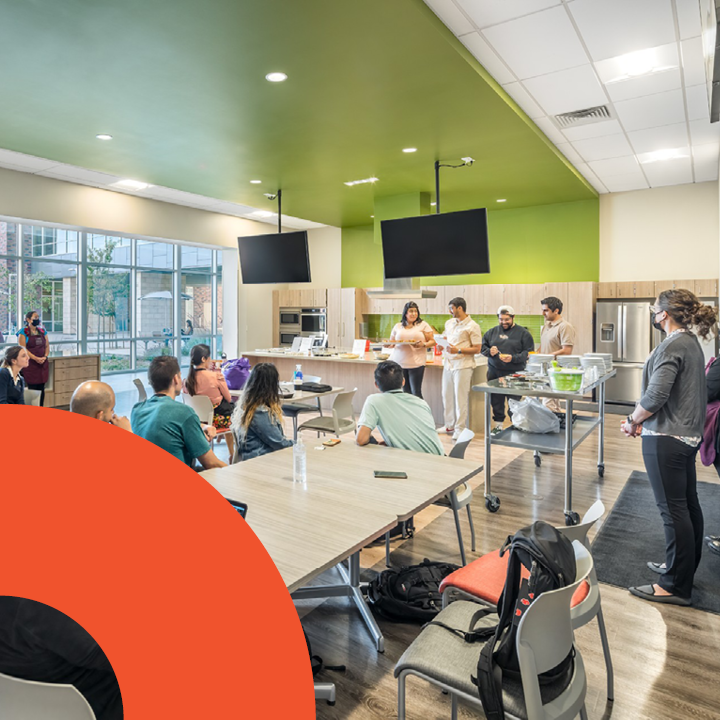
COMs often serve regions with limited healthcare access. They intentionally design programs and facilities that prepare graduates for community-focused practice. Our work reinforces this mission. We create environments that reflect local culture, foster a sense of connection, and prepare students for the realities of rural medicine. Together, these values highlight the unique role COMs play and underscore the importance of purposeful design.
Pedagogy and Design: Enabling Experiential Learning
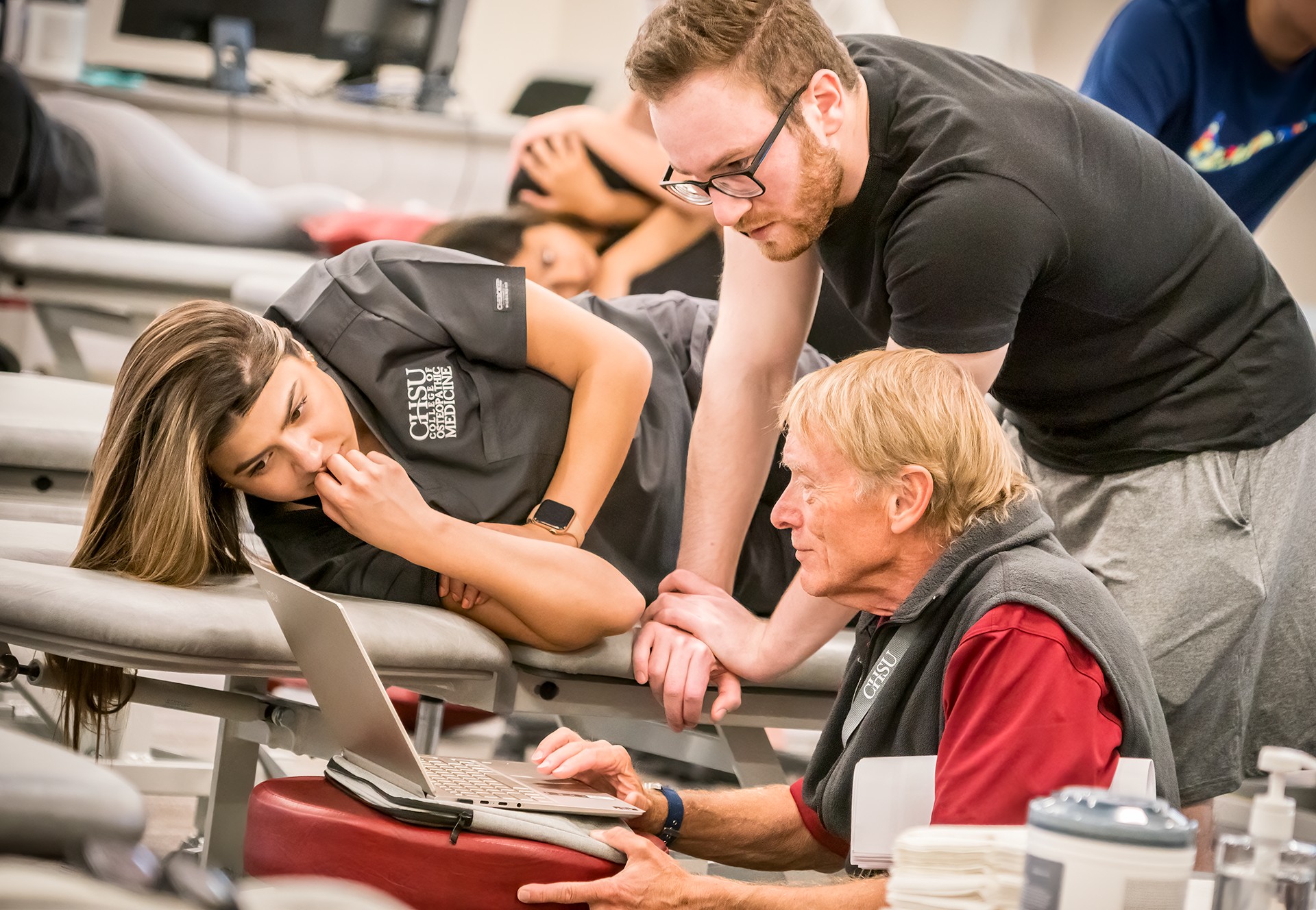
Osteopathic Medical Education relies on hands-on, immersive learning. Therefore, facilities must be dynamic and adaptable enough to support evolving teaching methods.
Designing with Decades of Experience
Our experience in designing five Colleges of Osteopathic Medicine, along with decades of experience in medical education, gives us a depth of insight into the pedagogy that shapes these institutions. We understand the need for environments that support active engagement and provide spaces that evolve alongside healthcare education.
Key strengths we bring to each project include:
-
Experience shaping learning environments that promote hands-on, student-centered instruction
-
The ability to design simulation spaces that closely resemble real clinical settings
-
Integrated layouts that encourage interprofessional collaboration
-
Flexible planning strategies that allow programs to grow and adapt over time
Immersive Learning Environments
To meet the demands of OMT instruction, clinical skills development, and patient-centered care, COMs depend on flexible, highly functional learning spaces. Our projects include advanced simulation centers, clinical skills labs, and learning zones that transition easily between group instruction, individual practice, and interdisciplinary training.
Integrated Expertise in Lab and Healthcare Design
These experiential spaces require robust technical expertise. With in-house laboratory planners and close collaboration with our healthcare design studio, our team delivers specialized knowledge for anatomy labs, OMT labs, standardized patient suites, and simulation environments. Consequently, every College of Osteopathic Medicine project is functional, adaptable, and aligned with evolving instructional needs. These elements create environments that prepare future DOs for real-world practice.

Project Highlight: California Health Sciences University College of Osteopathic Medicine
California Health Sciences University’s College of Osteopathic Medicine was created to meet the region’s increasing healthcare demands. Their mission is to educate physicians to live and work in rural communities, ultimately improving community health. The building is the flagship for their future Health Sciences campus.
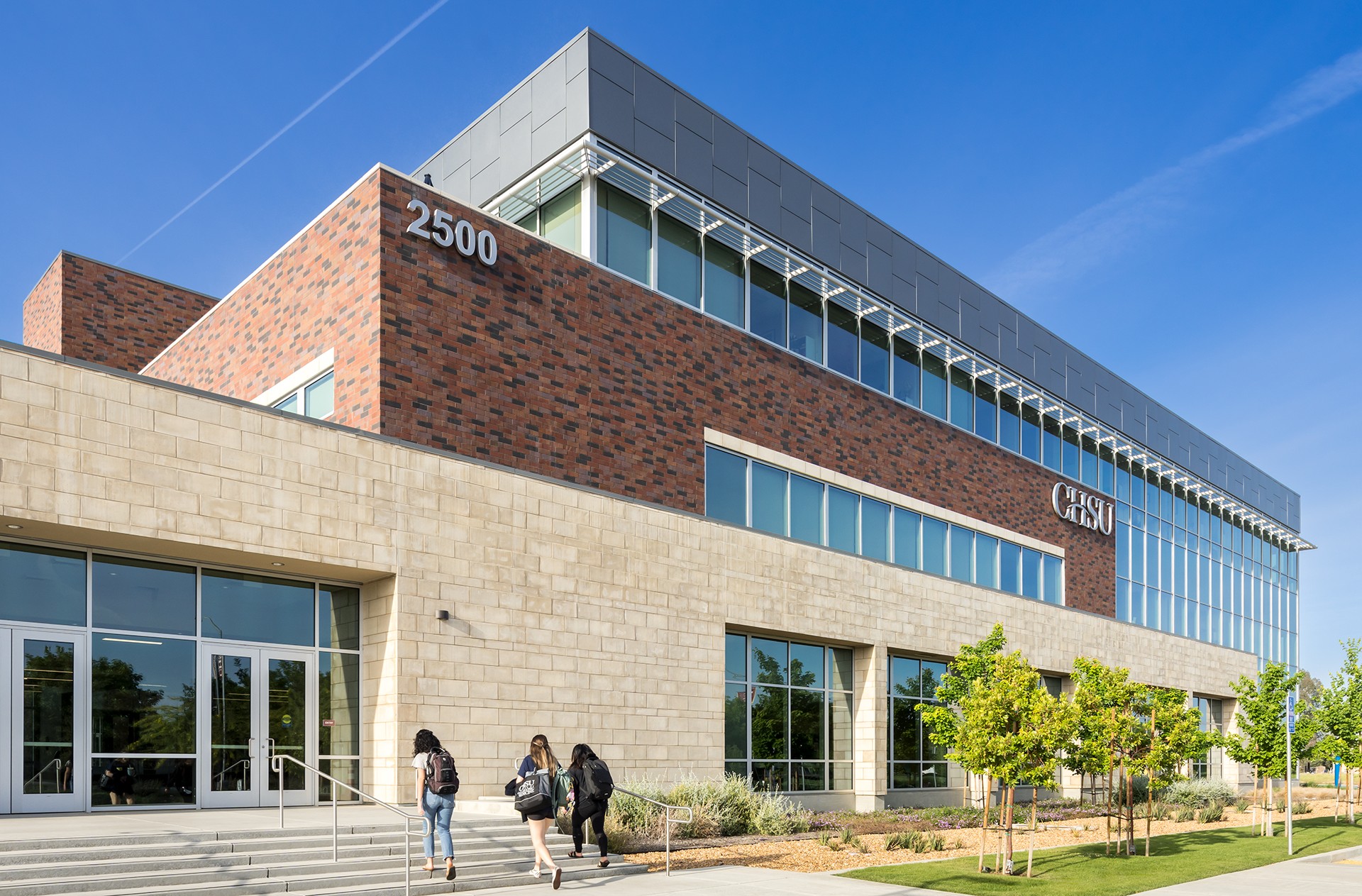
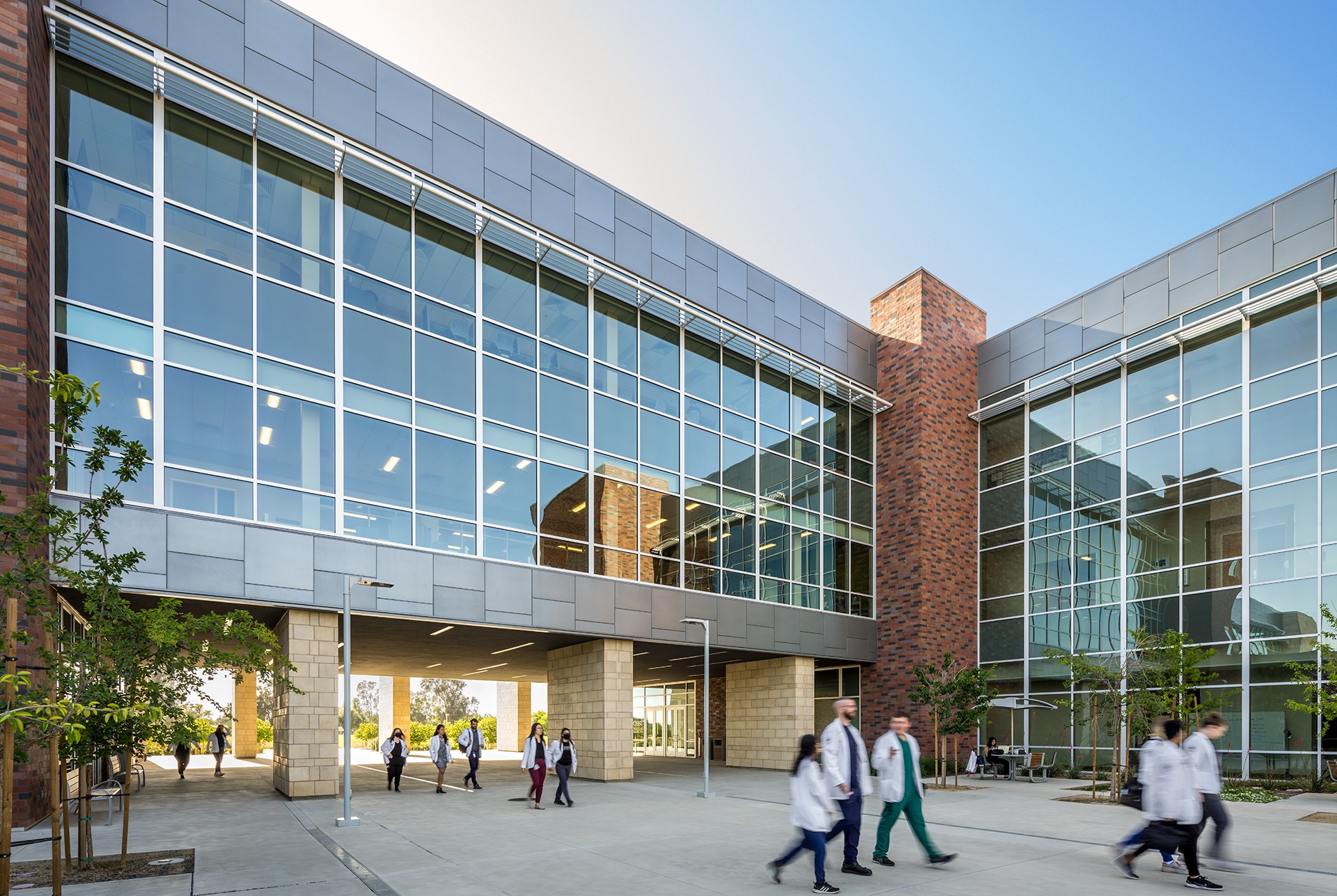
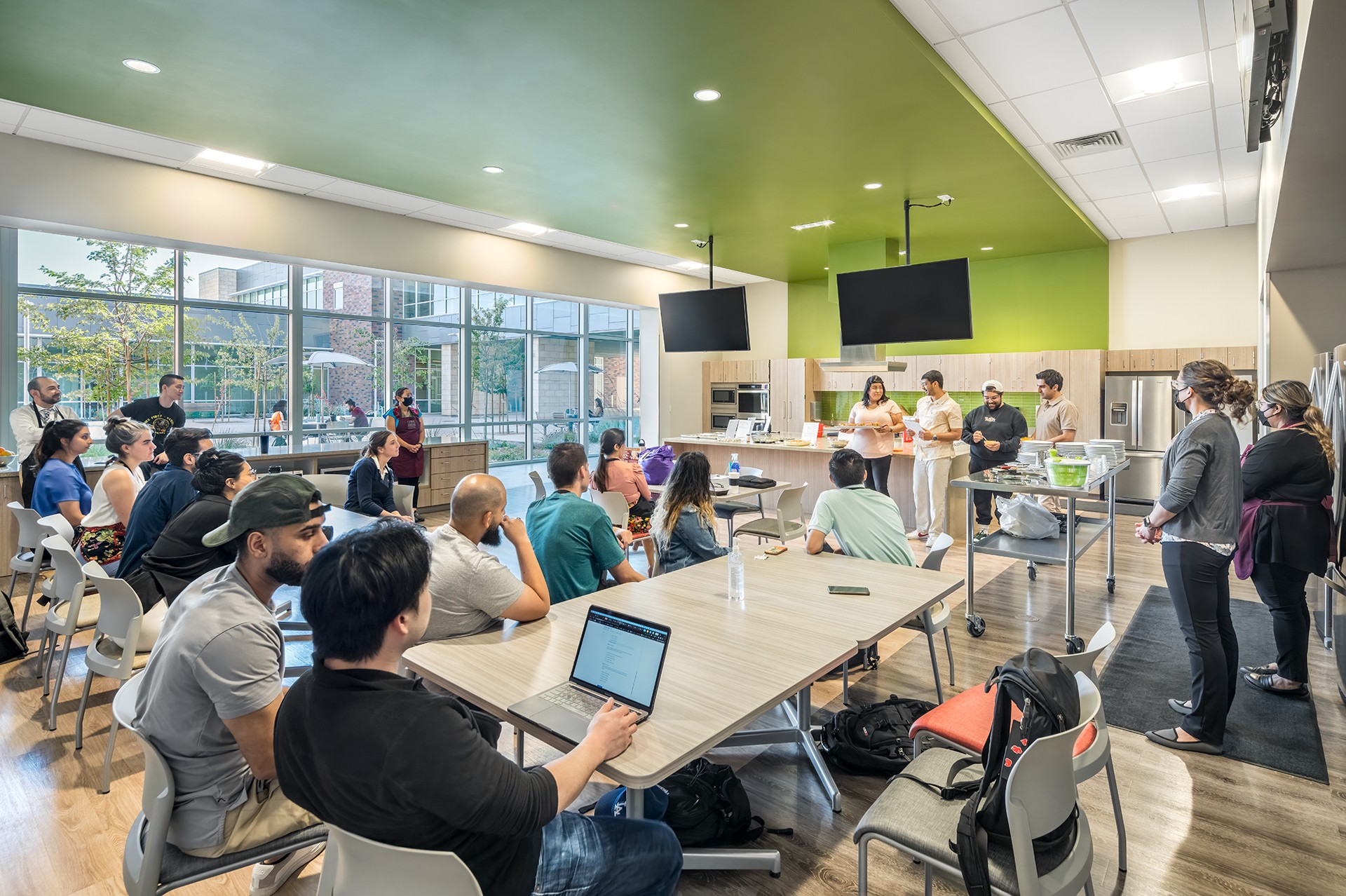
The facility features comprehensive simulation environments—including anatomy labs, OMT labs, and a standardized patient suite—plus student-focused spaces like lounges, a library, and gathering areas. A dedicated single-story simulation wing supports future allied health programs and interprofessional learning. The design emphasizes durable, modern materials, abundant daylight, and sun-control strategies.
Designing for Student Wellness and Success
Just as Osteopathic Medicine values whole-person care, COM environments must support the whole student—academically, emotionally, and physically.
Supporting Student Well-Being
Student well-being is a core component of osteopathic medical education. It is also central to responsible College of Osteopathic Medical design. The demands placed on healthcare learners call for environments that foster resilience, encourage community, and support mental and physical health.
Design Strategies That Promote Wellness
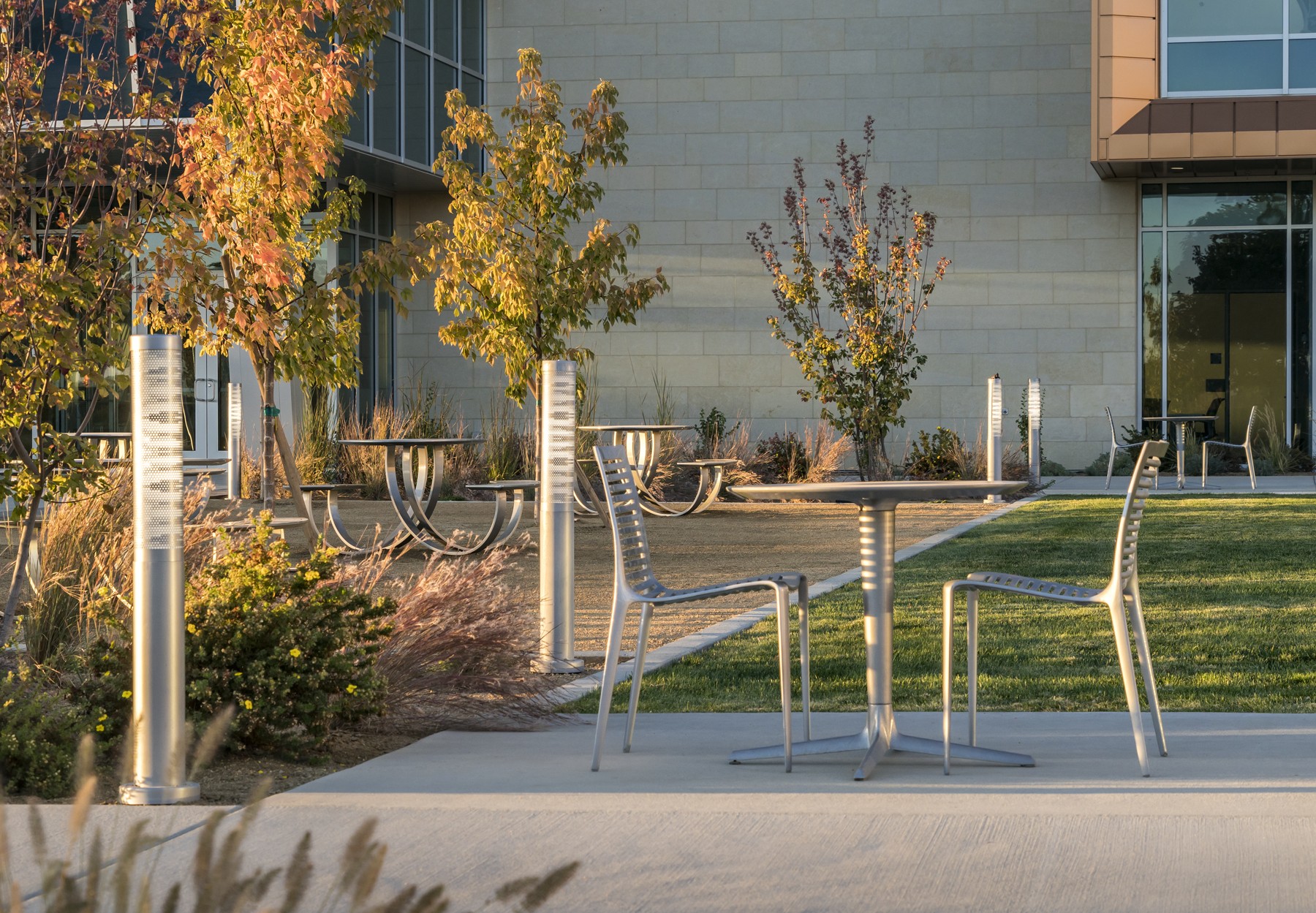
Our approach to wellness includes intentional design features that create balance within demanding programs. To support student well-being, our COM designs often incorporate:
-
Indoor and outdoor gathering spaces that encourage social connection
-
Access to natural light in study zones, circulation areas, and laboratories
-
Biophilic design elements such as natural materials, patterns, and views to green spaces
-
Quiet study nooks and restorative spaces that offer moments of calm
-
Comfortable communal areas that build belonging
Sustainability and Biophilia
Wellness is further strengthened by sustainable and biophilic design principles. Every project we work on aligns with our Dekker Sustainable Design Standards and our commitment to biophilic strategies at every scale.
Together, these strategies create supportive, human-centered environments that help healthcare students thrive academically, emotionally, and socially.
Project Highlight: Idaho College of Osteopathic Medicine
The Idaho College of Osteopathic Medicine (ICOM), located next to Idaho State University’s Health Sciences Center in Meridian, is a modern three-story medical school designed to train future osteopathic physicians serving Idaho and the surrounding region.
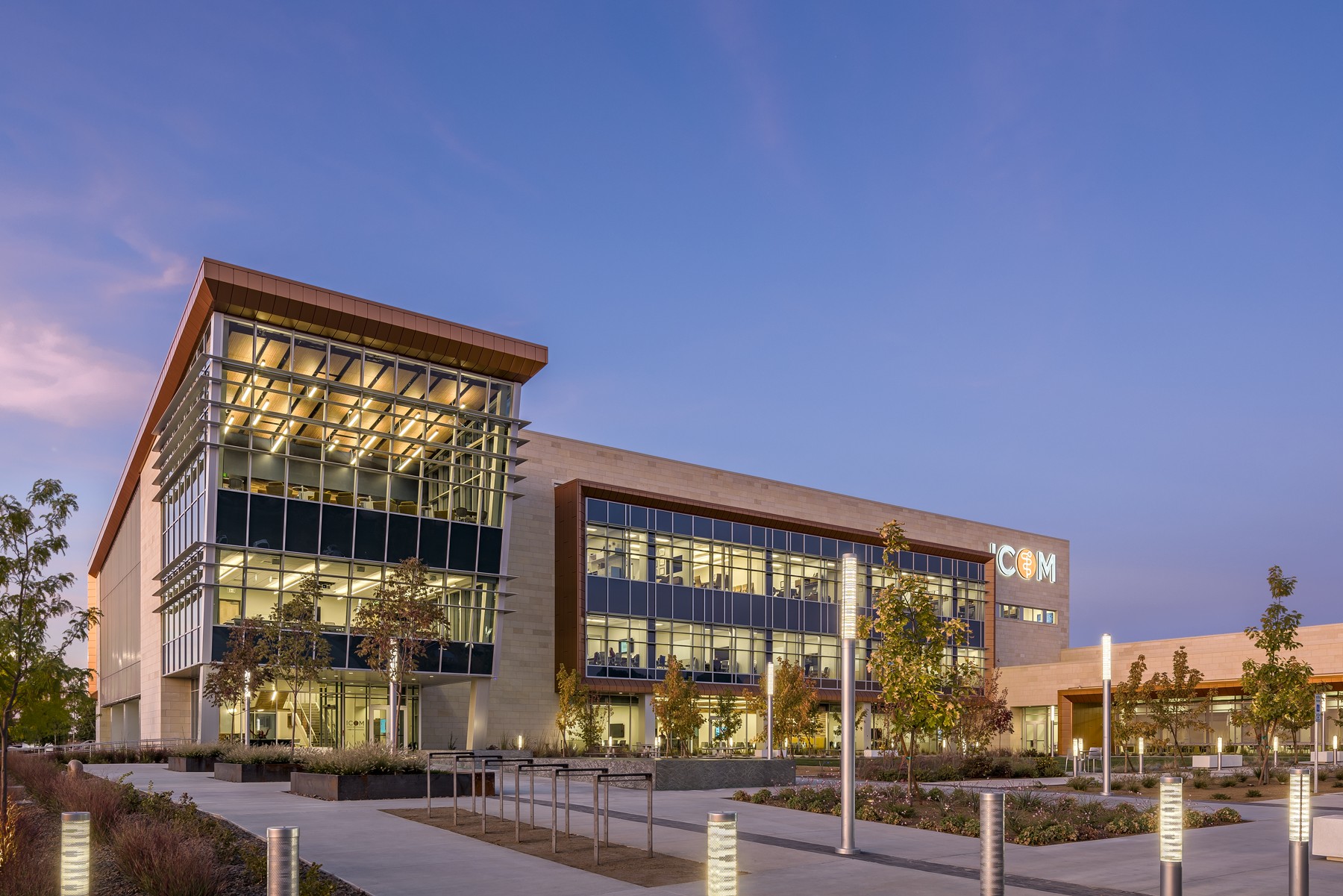
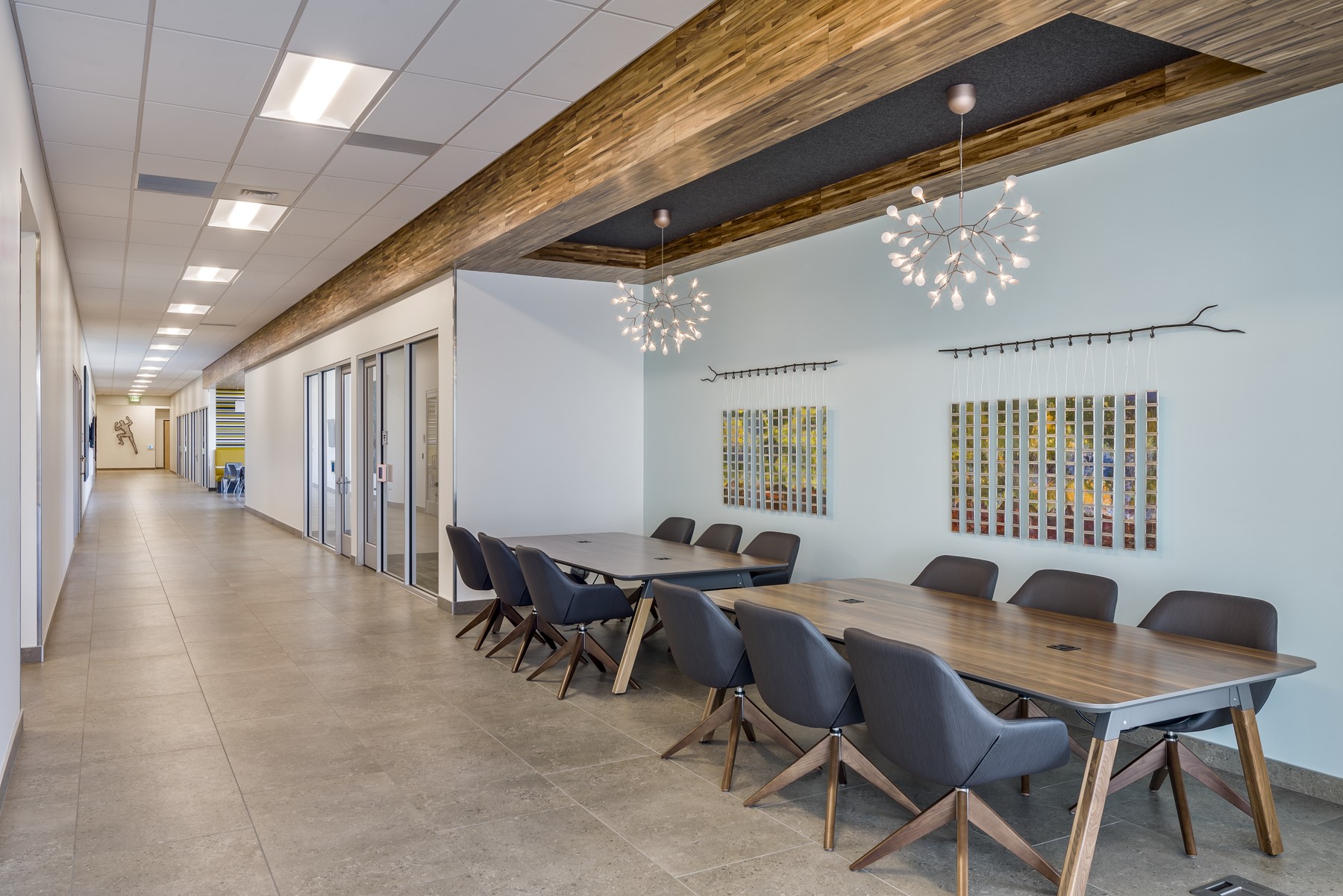
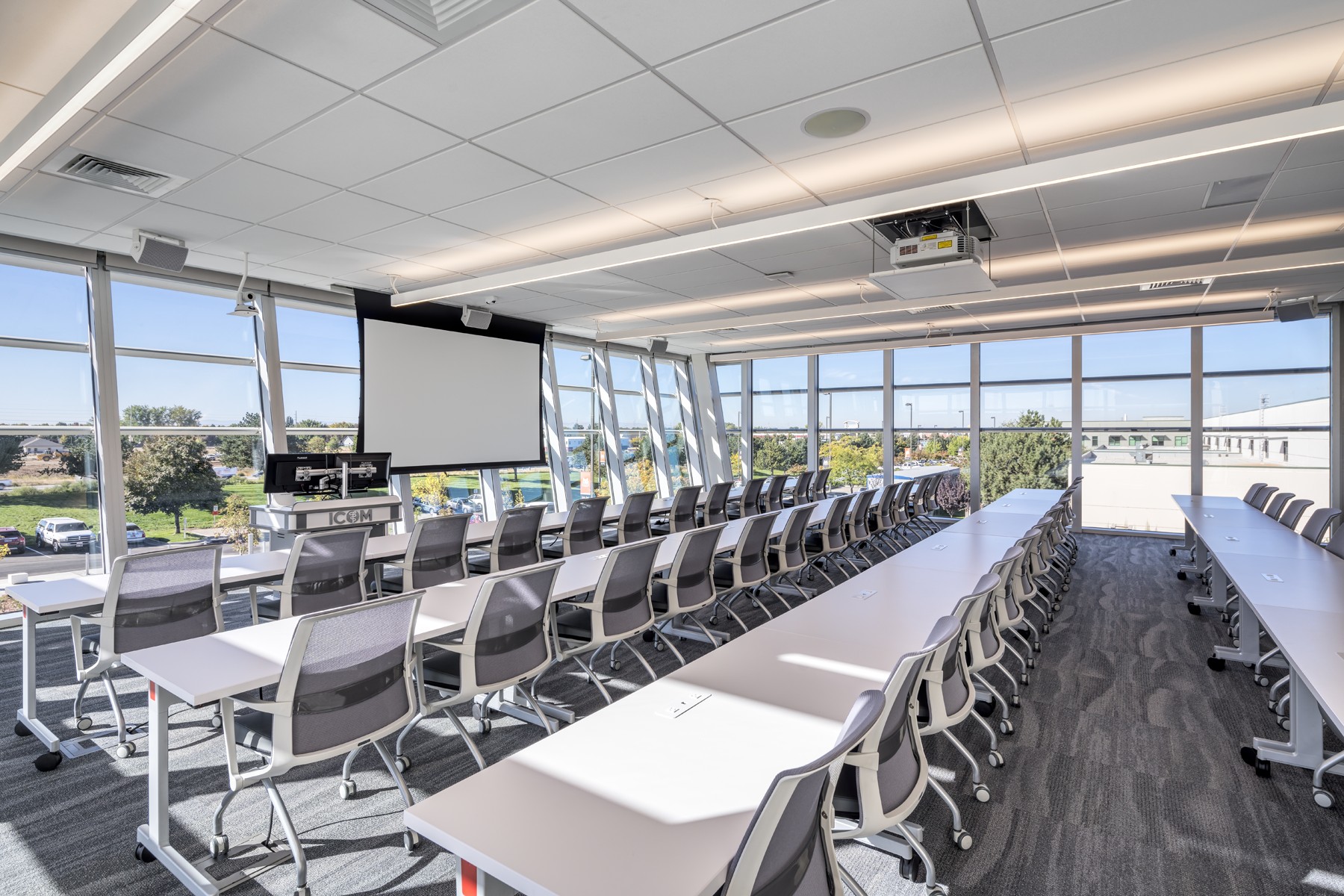
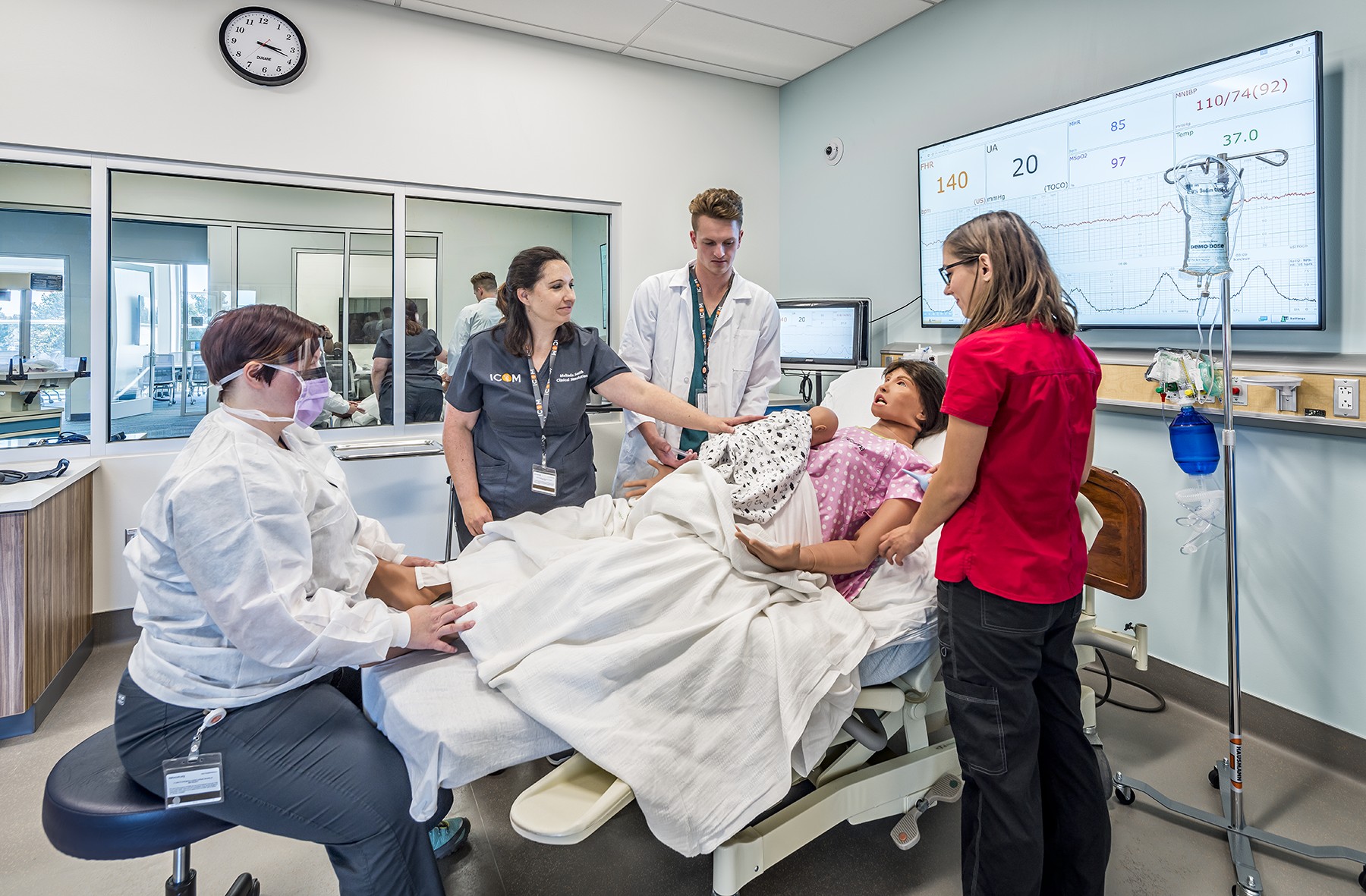
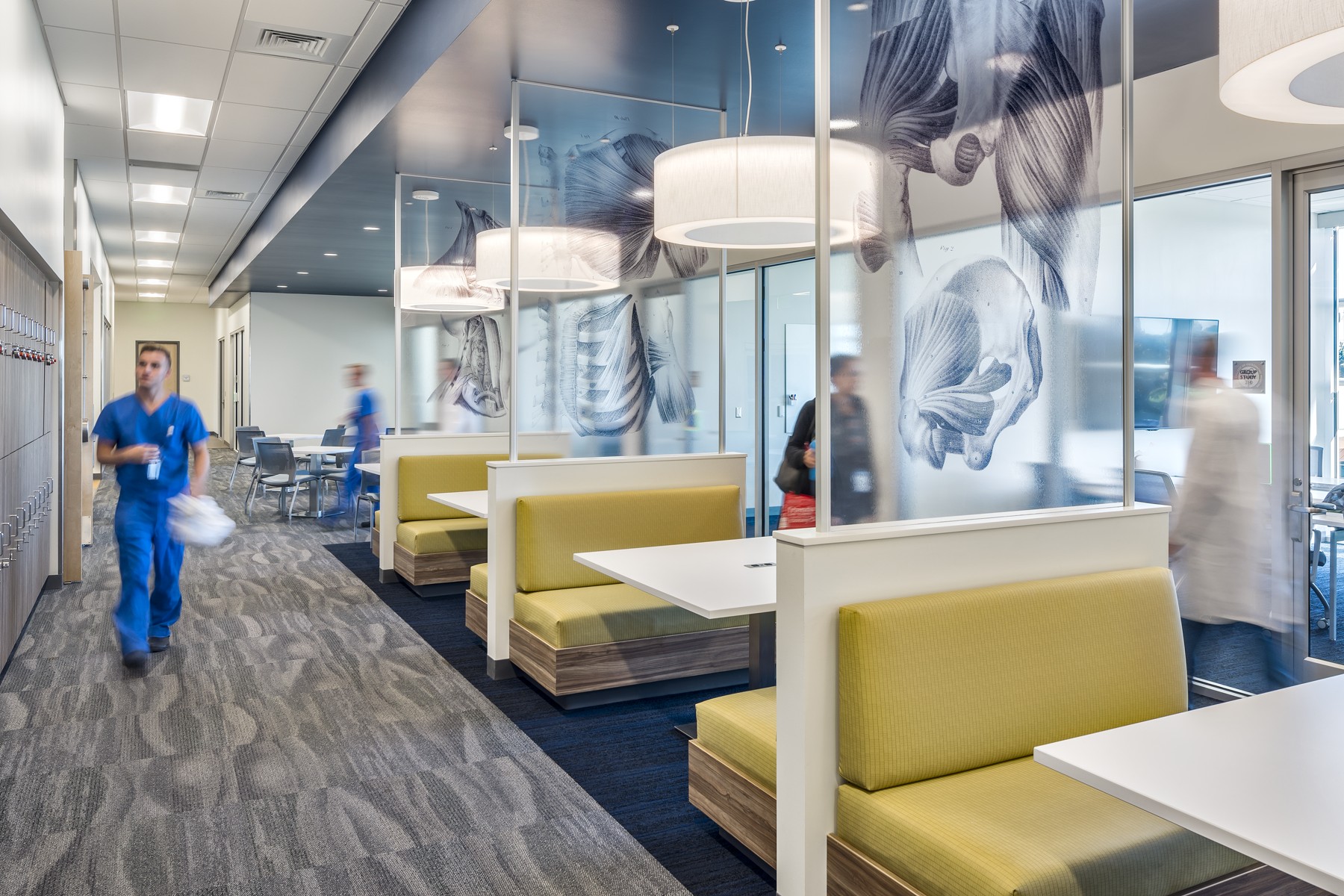
The facility features a wide range of learning environments—including simulation labs, a standardized patient clinic, an osteopathic manipulation lab, lecture halls, and collaborative study spaces—supported by an adjacent anatomy lab within the ISU-Meridian building. Its contemporary exterior, shaped by dimensional stone, metal panels, and expansive glass, blends with ISU’s campus while maximizing daylight and views. Centered around an open courtyard with year-round outdoor seating, fountains, and signature site elements, the campus fosters a welcoming and functional environment for students, faculty, and staff.
Building the Future of Osteopathic Medical Education
The future of Osteopathic Medicine depends on creating environments that support whole-person learning, community-rooted values, and flexible, technically advanced training. As we continue designing COMs across the country, our focus remains consistent: building places that empower future DOs to care for the communities that need them most. Ultimately, osteopathic medical students deserve the best environments we can create—and our communities deserve the best physicians they can become.
Related Content

Designing more hospitality in hospital.
Urban design solutions are not a cure-all when it comes to rural healthcare needs.